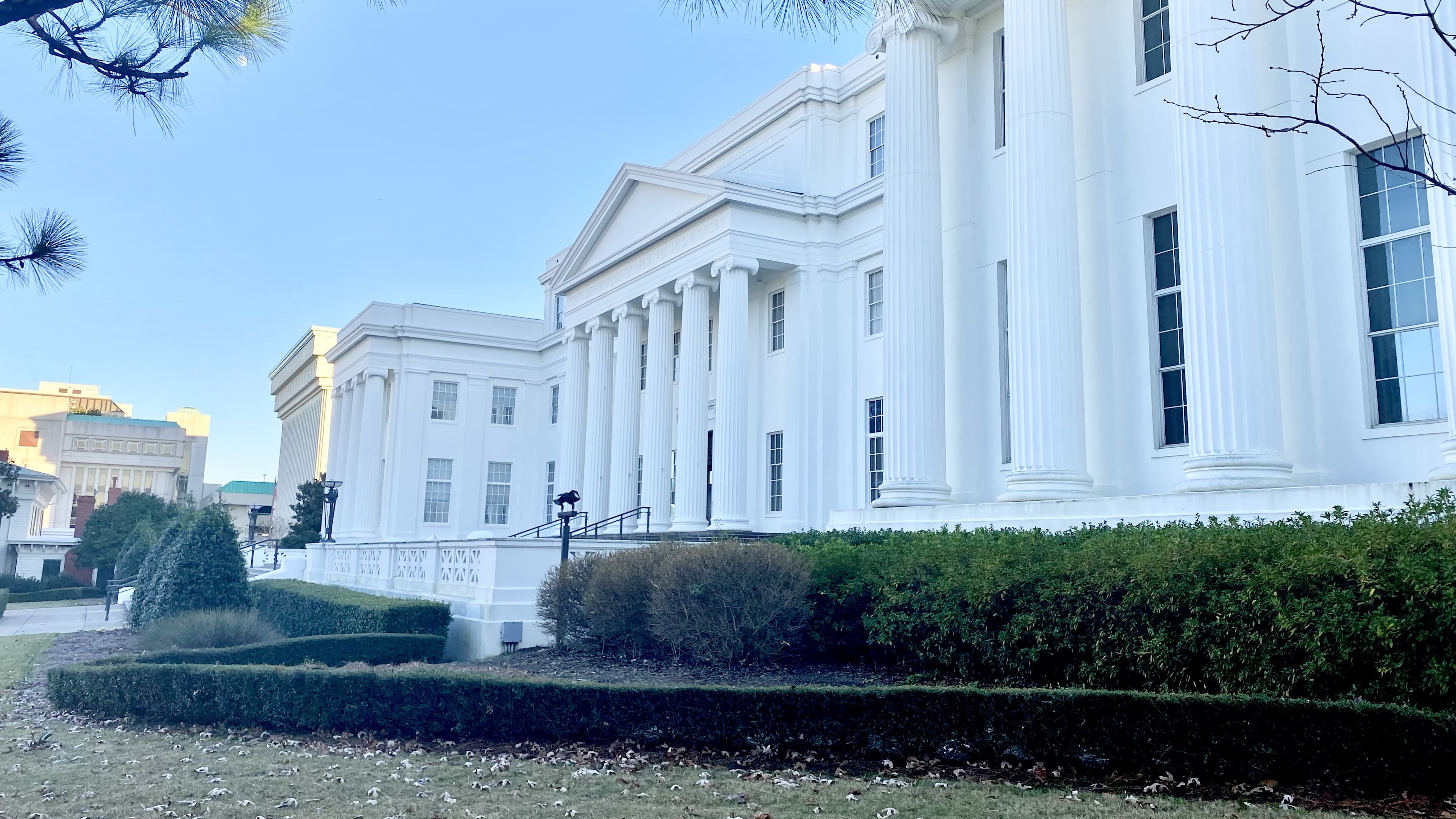
History has always been more meaningful to our family when we can step out of a book and into the place where the story happened. A museum, battlefield, ancient mound, historic home, or city street can turn something we’ve read about into something we can actually see, touch, and imagine. These are the places that have helped us make connections, ask better questions, and bring history to life for our kids. Here you’ll find the historic places we’ve visited, the stories we’ve explored, and ideas for families who want to use travel as a way to learn history together.

Native American & Indigenous History
One thing travel has taught our family is that Native American history can’t be confined to a chapter labeled “long ago.” Visiting Native sites and cultural centers has helped us see the enormous variety of Indigenous cultures, histories, and traditions across the country—and understand that these are living cultures, not simply stories from the past. These experiences have given us some of our best opportunities to slow down and learn from the people and places themselves.
-

Yellowstone Visit: How to Plan an Epic Road Trip Itinerary

Colonial & Early American History
There is something different about learning early American history when you’re standing where those events actually unfolded. Walking through Jamestown, exploring Colonial Williamsburg, or visiting the places connected to America’s founding gives kids something concrete to connect to all those names, dates, and events. We’ve found that these trips naturally lead to questions that never would have come up from a textbook alone.
-
Monticello: How to Plan to Your Best Family Trip {2023}

Civil War History
The Civil War can be difficult for kids to understand from dates and battle names alone. Traveling through places shaped by the war gives those events a physical landscape and, often, a much more complicated story. From battlefields and historic buildings to museums and preserved communities, these are places where we’ve been able to explore not just what happened, but why it mattered and how the consequences continued long afterward.
Civil Rights & Black History
Some of the most powerful history we’ve encountered has been in places connected to the Civil Rights Movement. Visiting Montgomery, Memphis, and Atlanta allowed us to follow a story across several cities rather than treating the movement as a single chapter in a textbook. These trips have given our family opportunities to talk about difficult parts of American history while standing in the actual places where ordinary people made extraordinary choices.
20th-Century History
The history of the 20th century is close enough to us that we can often visit the actual places where it happened—and sometimes hear stories from people who remember it. Presidential homes, museums, Civil Rights landmarks, Holocaust museums, and other historic sites have helped our family connect major events to the people who lived through them. These are the trips that remind us that history isn’t always as distant as it feels on a timeline.
-
Museum of Aviation: The Ultimate Guide to the Best of Warner Robins, GA
-
JFK Books: The Best Kid Lit for Real-Life Learning
-
Wright Brothers Memorial 101: How to Explore Kitty Hawk with Kids


Presidential History
We’ve discovered that presidential history becomes much more interesting when you can visit the places behind the names. Seeing where presidents lived, worked, made decisions, or spent important periods of their lives adds a human dimension that a list of presidents and dates simply can’t provide. These are the presidential sites we’ve explored and the ones that have helped us connect American history to real people and places.
UNESCO World Heritage Sites
The United States currently has 27 properties on the UNESCO World Heritage List. Recognized as having “Outstanding Universal Value,” the sites have cultural, historical, architectural, archaeological, or natural significance. They are considered important not just to the United States but to humanity as a whole.
With sites varying from historical to natural significance, these are must-see places! The U.S. sites range from ancient Indigenous earthworks such as Cahokia Mounds and Poverty Point, to historic places such as Independence Hall and the San Antonio Missions, to extraordinary natural landscapes including Yellowstone, the Grand Canyon, and the Everglades.
Leave a Reply